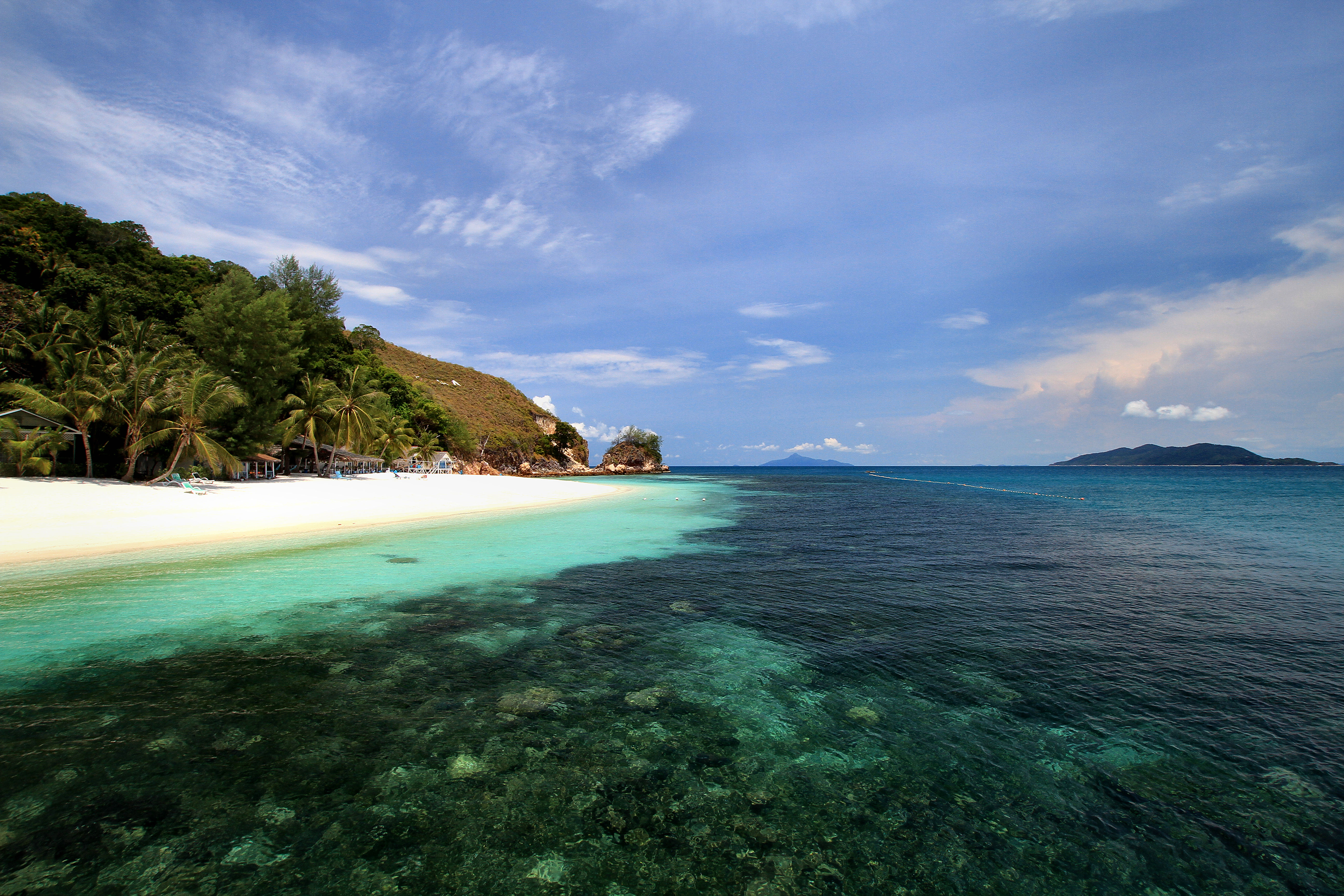
Let the island day be more than a photograph to reproduce
A clear-water picture can make a reef visit look effortless. The better starting point is curiosity: what lives here, how can we observe without disturbing it, and what experience actually suits our group? For people travelling through Mersing to an island stay or excursion, these questions deserve attention before the packing and jetty plan. Our Rawa photograph is from 2014; it is a destination illustration, not a forecast or evidence that we inspected the reef today.
Coral is not a convenient place to stand
NOAA’s marine-life viewing guidance warns visitors not to touch, kick or stand on coral. Take that as a conservation principle: a reef is not a handrail, a seat or a platform for adjusting a mask. Do not plan a close-up photo that requires holding or pushing against living surroundings. The NOAA source also discusses US laws and species-specific distances; we are not importing those legal rules into Johor or claiming they are a Malaysian permit.
Ask how the operator helps beginners avoid contact
If you are new to snorkelling, tell the actual activity provider before booking. Ask what briefing, suitable equipment, supervision and alternatives it offers for your group, and what to do if a participant wants to stop. These are questions to settle with a qualified local provider, not a snorkelling lesson from a road-transfer website. If the proposed outing depends on a nervous participant standing on the reef to rest, it is not an acceptable plan to assume will work.
Choose the actual activity, not an imagined all-inclusive island
Johor National Parks’ marine-park activity information describes a range of activities across resorts, depending on facilities. A beach stay, a guided water activity and an island-hopping arrangement are not automatically the same product. Ask which activity is offered on your intended date, what is included and what conditions can change it. Do not use a photograph of Rawa to promise a current underwater experience at every island, or assume that a room reservation includes boats, equipment and instruction.
A shore-based choice can be a good choice
A mixed group may include someone who wants to observe from shore or simply prefers a quiet island break. Ask the venue what permitted, genuinely available alternatives suit them, rather than making everyone join one water activity. Keep the day worthwhile without a guaranteed wildlife sighting or a perfect-visibility promise. Follow the provider’s current site and weather decisions, including a cancellation or change; an old travel photo is not a reason to overrule them.
Protect the memory without taking part of the habitat home
Look closely and keep a respectful distance instead of handling animals for a photograph. Ask the local provider about applicable site rules before entering. Leave natural surroundings in place and take your own belongings and rubbish away as instructed. This guide does not certify reef health, identify species from the photograph or promise that any particular stretch of water is safe. It is a way to prepare better questions and a less intrusive visit, not technical diving or emergency advice.
Then connect the confirmed island plan to the road journey
Once the island provider has confirmed the plan, use our Singapore-to-Mersing page for the mainland road enquiry. Give the actual boarding point and reporting requirement, not just an island name or the assumption that every boat uses the same jetty. Discuss the return after the actual mainland arrival is known. Snorkelling, boat services, admission and equipment are separate from the car transfer; vehicle availability, final fare, border timing and ferry changes still require their own confirmations.
Sources checked 28 October 2026

Keep the island activity and the mainland drive separate
Confirm your island operator, actual mainland boarding point and travel dates first. This enquiry is for the Singapore–Mersing road leg, not a snorkelling or boat package.
Discuss the road journey to Mersing